Nature and sensory friendliness as support for work
A well-designed work environment supports concentration, recovery, and creativity. Biophilic and sensory-friendly design brings nature into everyday life and takes into account people's different needs. When a space is clear, calm, and pleasant for all senses, it promotes well-being, equal functional capacity, and the smoothness of work.
Increase creativity and concentration with the help of nature
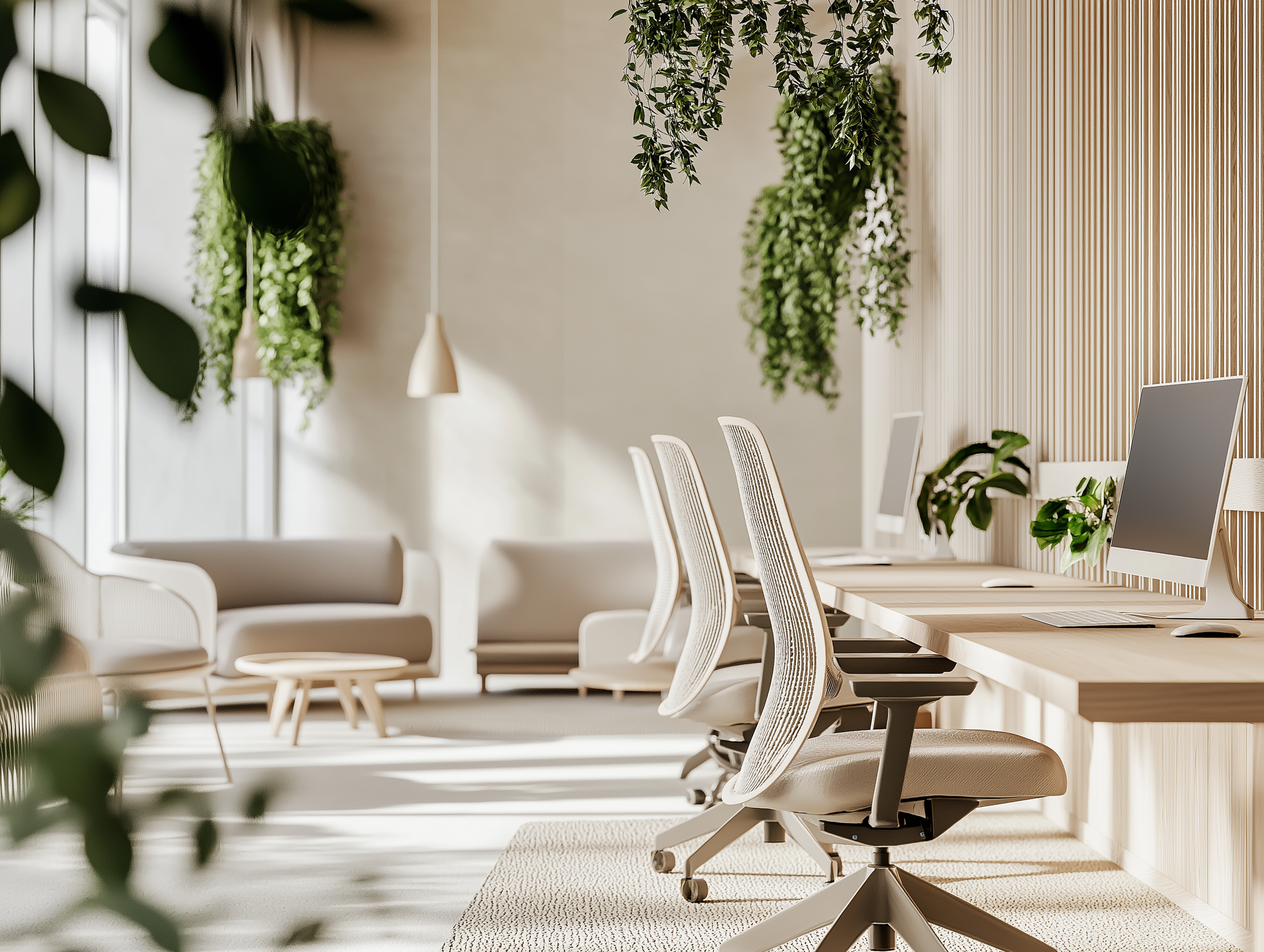
Would you like to increase productivity, concentration, and creativity? Or perhaps reduce employee turnover, absences, and stress? Bring nature into the office and promote well-being.
Most people have a place they return to in their minds when they want to think about a pleasant moment. For almost everyone, that place is related in one way or another to nature, perhaps a forest or by the water. This is no coincidence, as research shows that nature calms and relaxes, which is why its significance for human well-being in indoor building spaces has begun to be studied and utilized more and more.
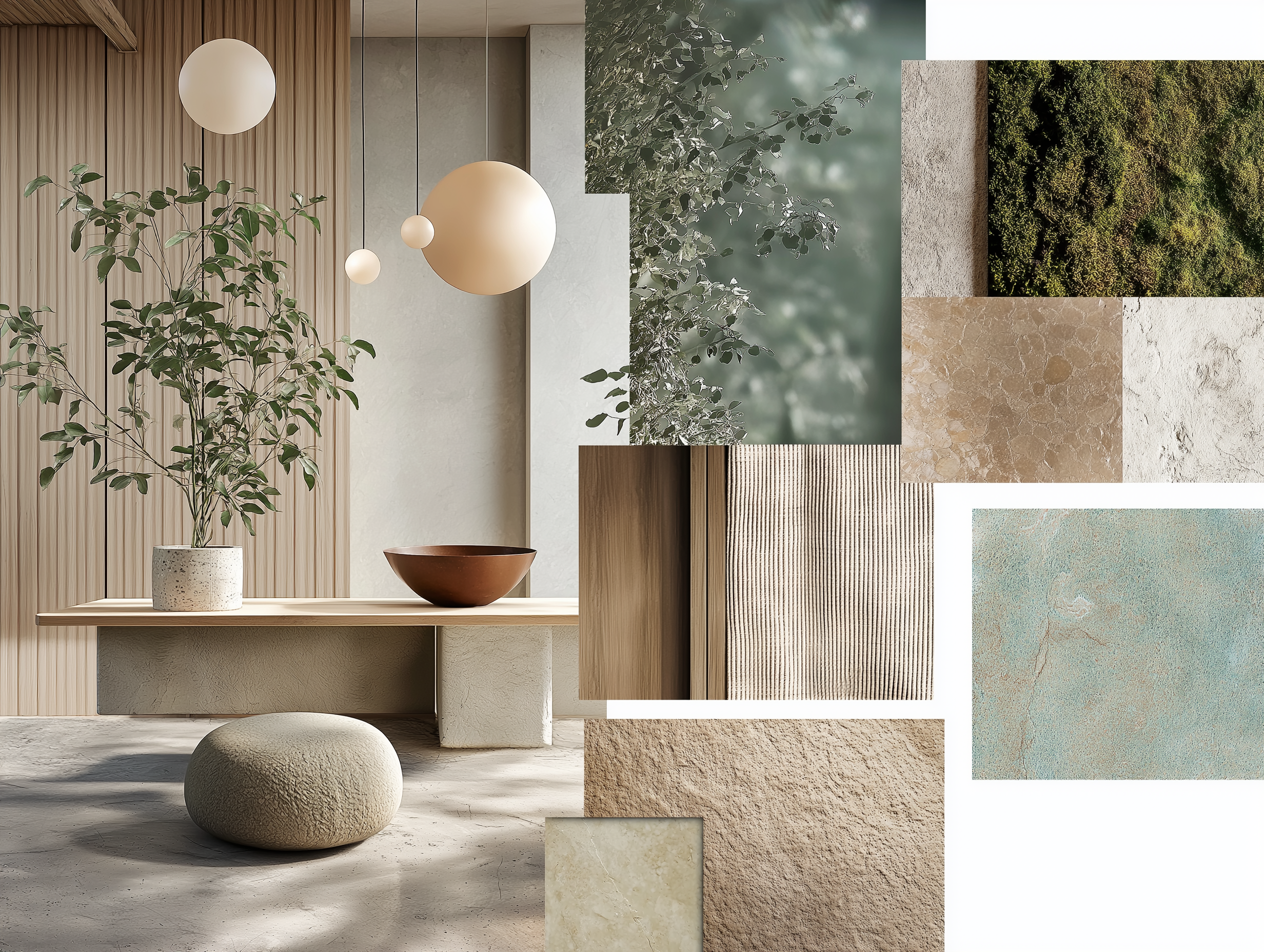
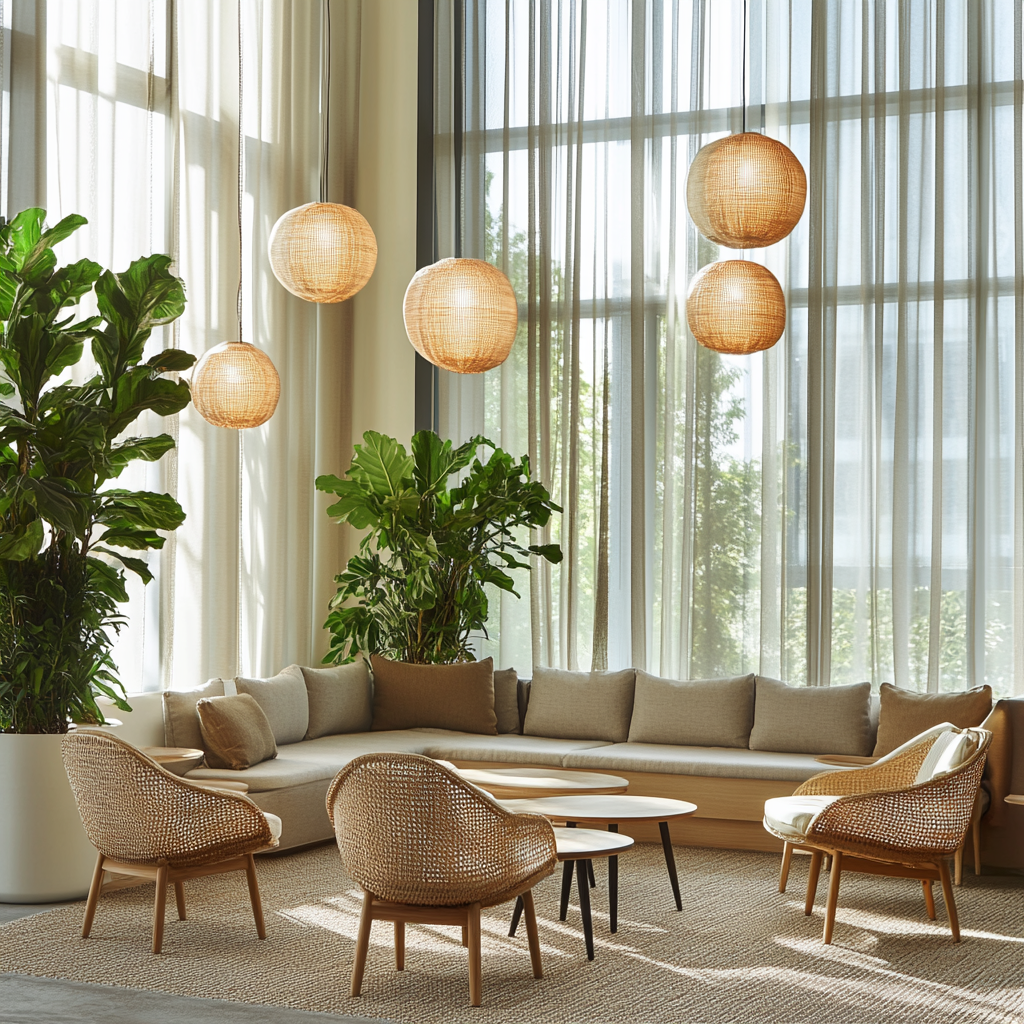
Bringing nature into interior design is called biophilic design. Biophilia means a love for nature and living things, and in biophilic design, nature is brought inside through light and various natural materials such as wood or stone, and of course, plants.
Natural light
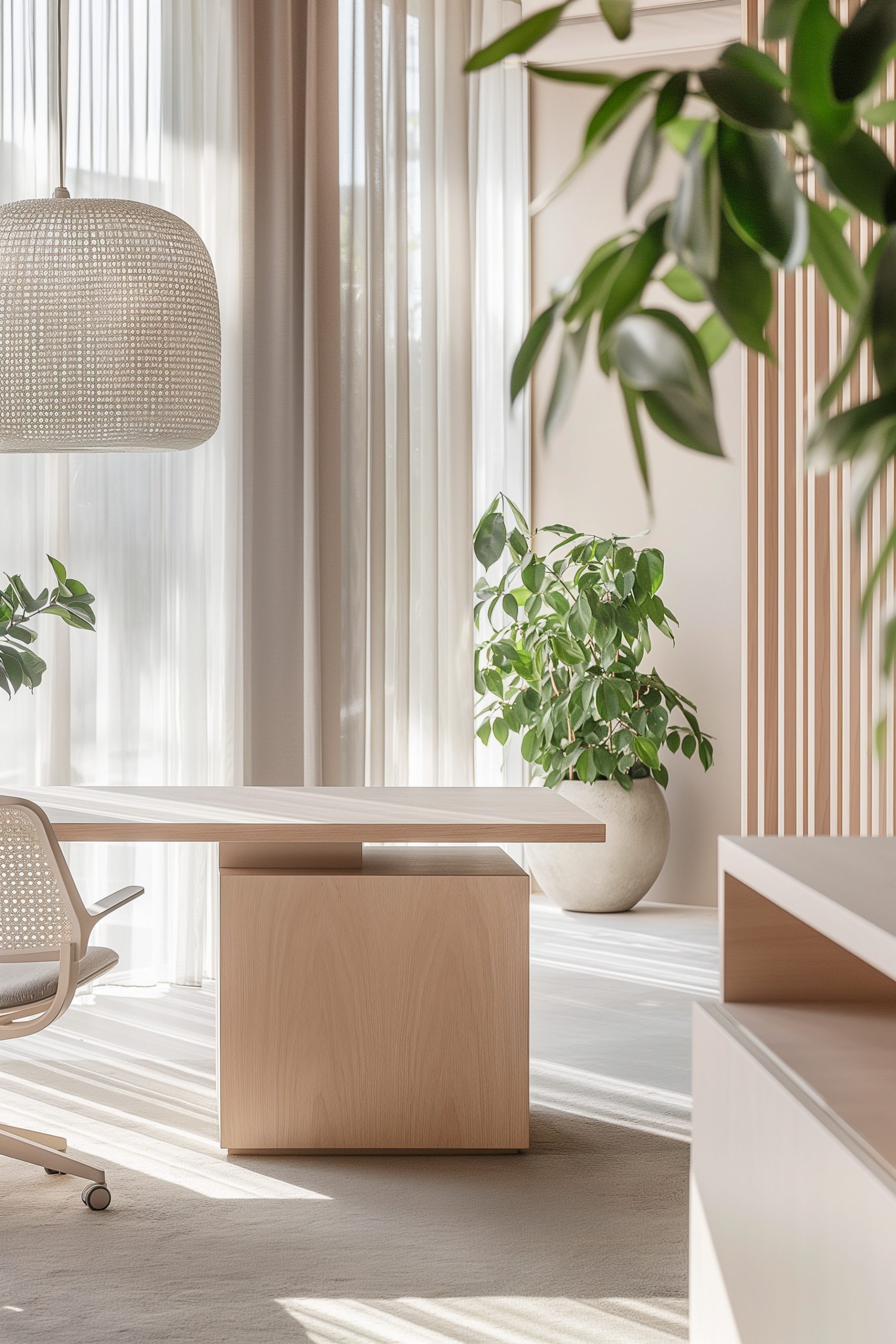
Biofiilisessa suunnittelussa hyödynnetään mahdollisimman paljon luonnonvaloa, sillä sen on todettu vähentävän väsymystä, parantavan mielialaa ja tukevan vuorokausirytmiä. Toimistojen biofiilisessä suunnittelussa luonnonvalo huomioidaan esimerkiksi työpisteiden sijoittelussa, jossa pyritään siihen, että mahdollisimman moni näkee luonnonvaloa työpäivän aikana.
Dynamic lighting solutions complement natural light, especially during dark seasons and in spaces where light from windows is limited. Adjustable color temperature and light intensity can adapt to the time of day, promoting alertness and well-being among employees. The combination of natural light and smart lighting helps create spaces that reduce eye strain, increase concentration, and promote overall well-being.
Materials and tones
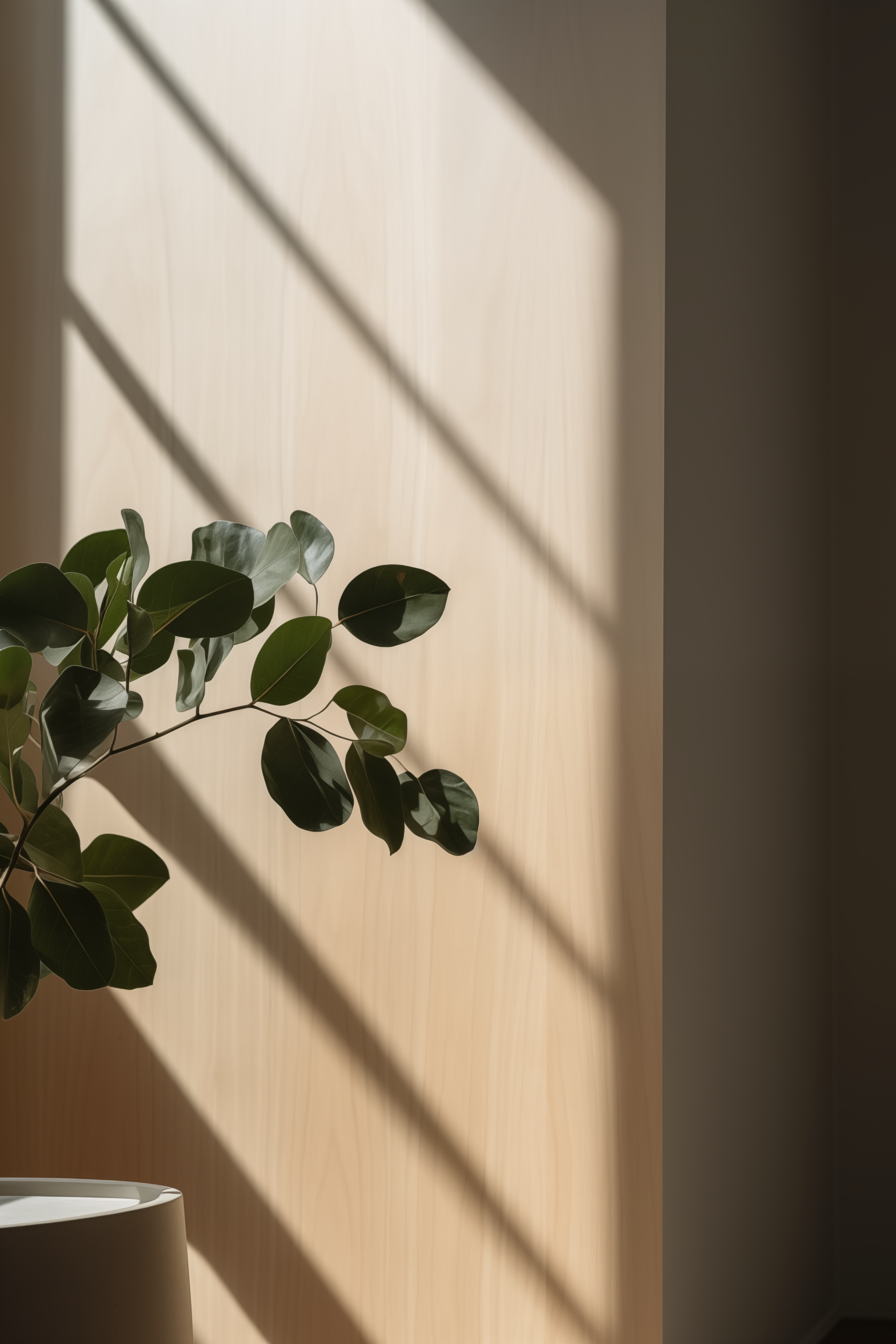
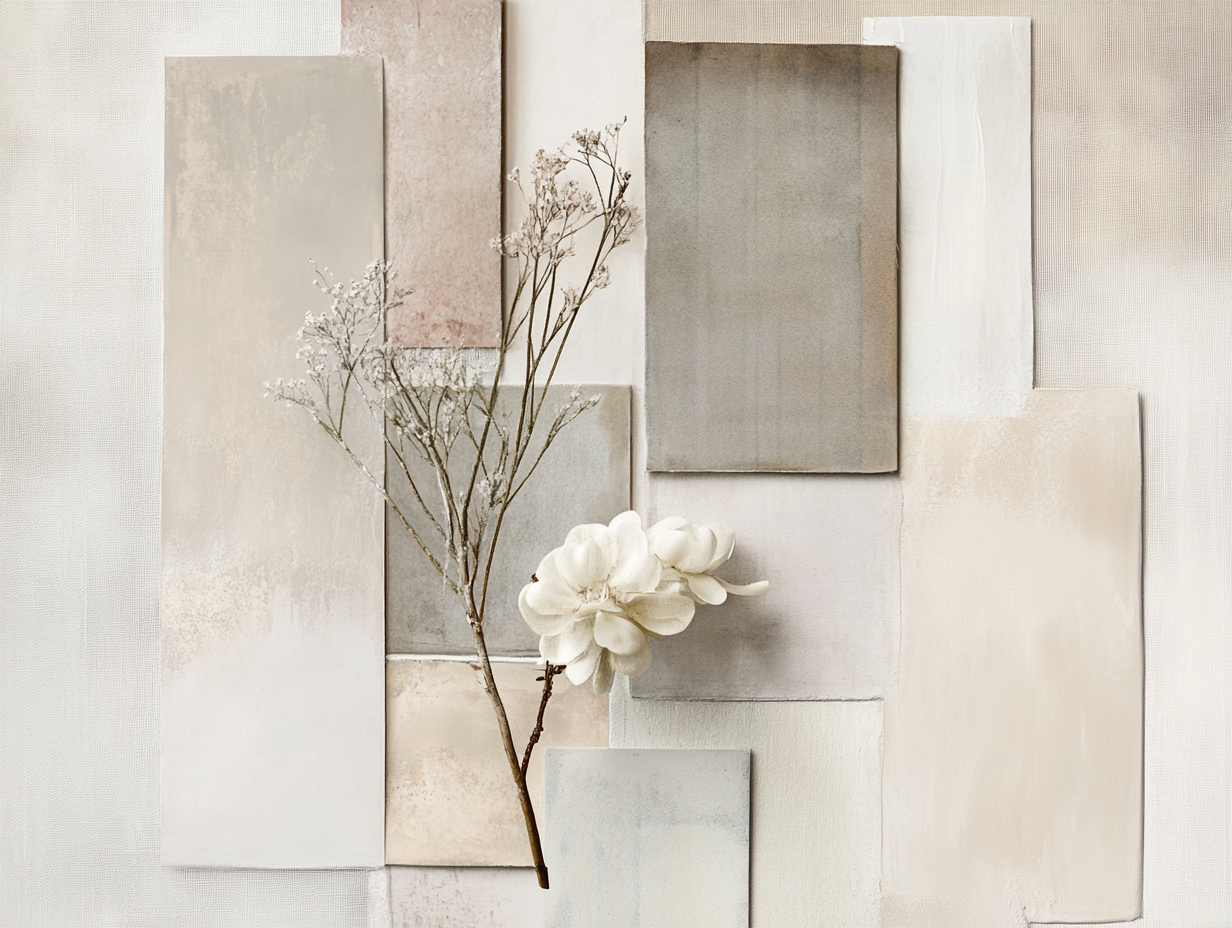
The use of natural materials and tones is an essential part of biophilic interior design. They reflect natural colors, calm the mind, and bring a sense of authenticity to the space. Wood, stone, wool, and clay feel pleasant to the touch, and their surface patterns – such as wood grains and stone textures – strengthen the connection to nature.
Over time, materials develop a beautiful patina and wear, which brings layers and a sense of natural rhythm to the space. This organic change makes the environment more vibrant and human, which can increase comfort and reduce stress.
The use of natural materials is perceived differently in various cultures, as their symbolic and practical significance varies by region. For example, in Northern Europe and Japan, wood and stone are strongly associated with traditional building methods, which creates a sense of familiarity and dignity in spaces.
Plants
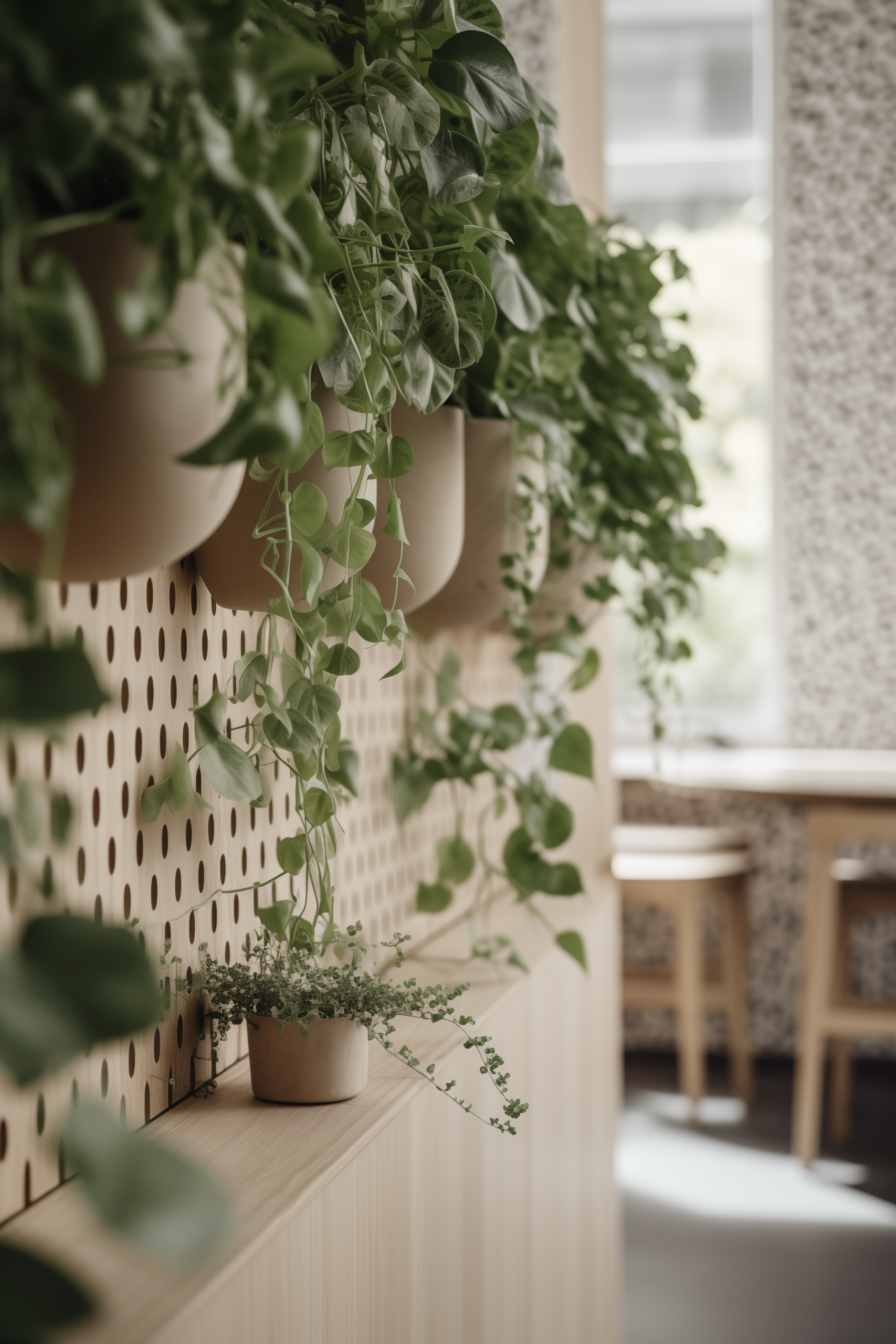
The effects of plants on human well-being have been widely studied, and the results are impressive: green interior design has been shown to reduce stress, improve concentration, and even boost work morale. In work environments, plants serve not only as elements that increase comfort but also as factors that improve air quality by binding pollutants and increasing humidity, which can reduce issues like respiratory problems and headaches.
Invest in design
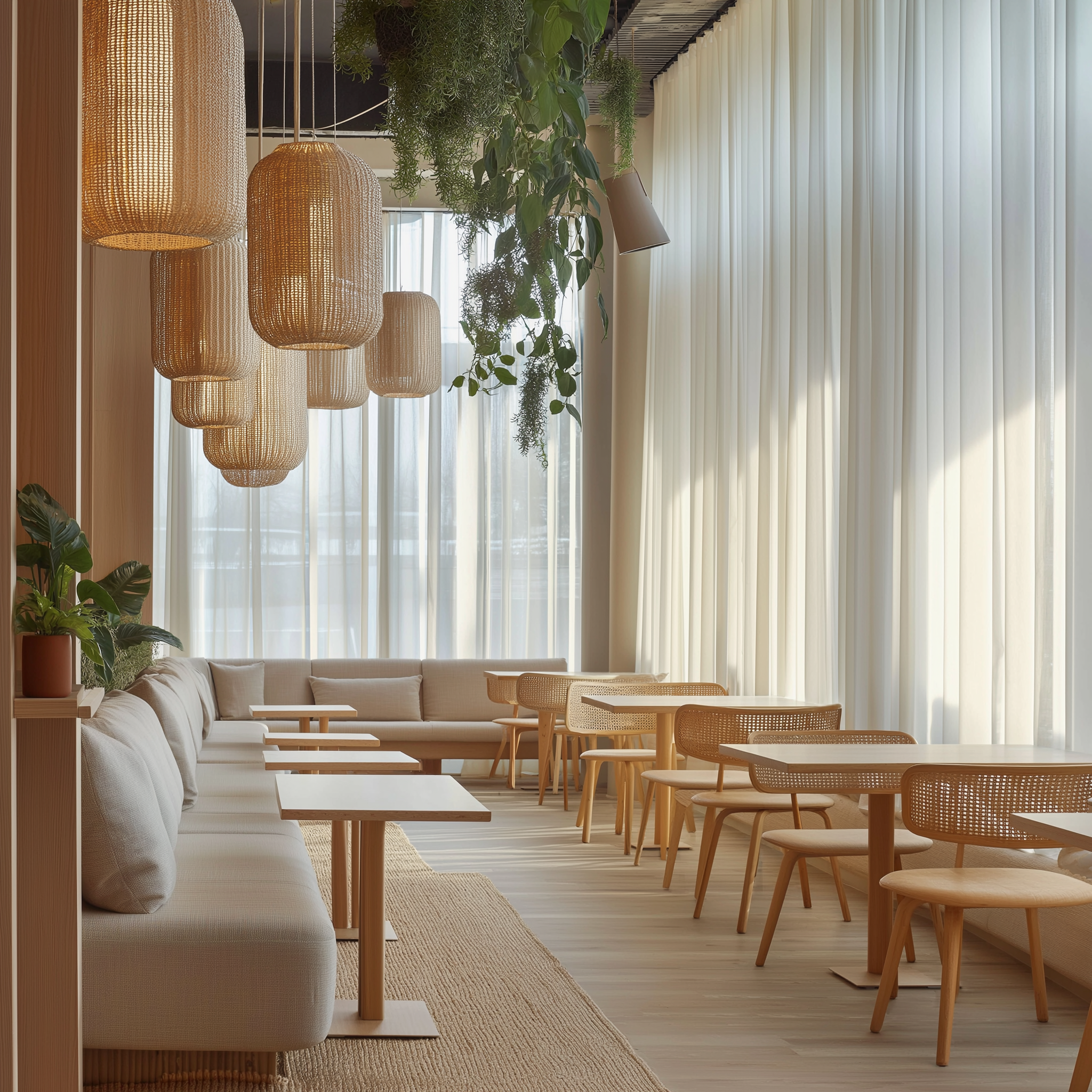
Biophilic design is not only visually pleasing but also has concrete benefits for both employees and employers. Numerous studies have shown that adding natural elements to office premises can increase productivity by up to 15 percent. Furthermore, employees who work in nature-oriented environments report being more satisfied with their work and experience less stress.
How can you implement biophilic spaces?
Utilize natural light
✓ Place workstation areas near window walls for nature views and natural light
✓ It is advisable to design meeting rooms in the inner parts of the building, allowing natural light to be utilized primarily in working areas
✓ Complement lighting with smart and adjustable lighting solutions that adapt to the time of day and support alertness
Bring natural materials into the space
✓ Utilize wood, stone, wool, and other natural materials in furniture, spatial surfaces, and textiles. Also remember nature-inspired design language – organic shapes and irregular surfaces bring naturalness and harmony to the space
✓ Choose muted tones familiar from nature for wall, floor, and ceiling surfaces, furniture, and textiles
Add plants and green decor
✓ Choose maintenance-free or easy-to-care-for green elements that bring nature into the space without major maintenance. For example, lichen and moss walls require no watering at all.
✓ Utilize green walls and plant clusters as room dividers. You can create a lush green path between workstations and walkways, which naturally divides the space and increases comfort.
✓ Add natural elements also through prints and acoustic solutions.
✓ Utilize plant rental services if you want an easy interior greening solution.
Utilize diversity
✓ Use a variety of materials. Wood surfaces, stone countertops, and wooden or felt wall panels bring depth and invite touch. Rough clay surfaces and matte paints create contrast and increase the naturalness of the space.
✓ Soften the space with textiles. Carpets feel pleasant underfoot, textile curtains calm the acoustics of the space, and upholstered seats provide sitting comfort.
✓ Avoid strong scents. Instead, natural scents, such as a small and mildly fragrant herb garden growing under a grow light in a work café, can add a calming atmosphere and make the space more experiential.
✓ Water elements, such as small indoor water features or a designed background soundscape of nature, can reduce stress and support concentration.
Connect the work environment to outdoor spaces
✓ Arrange break and workspaces outside or in courtyards where employees can spend time surrounded by nature.
✓ Hold walking meetings in Kupittaanpuisto.
✓ Create spaces where there is an opportunity to see nature or its elements, such as trees, water, or green areas.
A sensory-friendly work environment considers different needs
How does the work environment feel, sound, and look? A well-designed space supports concentration, recovery, and the flow of work. Excessive noise, glaring light, or a cluttered environment that makes it difficult to perceive the space, on the other hand, cause unnecessary strain.
A sensory-friendly work environment takes into account the different needs of the space's users and enables equal functional capacity for everyone. It is not just accessible, but also spatially and multi-sensory clear, predictable, and flexible. While biophilic design brings natural elements into workspaces, sensory-friendly design delves deeper into how different senses together affect the experience of the space – and how this experience can be improved.
A sensory-friendly work environment supports the well-being and concentration of all employees, but it is especially significant for individuals with sensory sensitivities, neurodivergent traits, or other challenges related to perceiving space and regulating stimuli. When the environment is clear, predictable, and controlled in its stimulation, it promotes equal functional capacity and improves well-being at work.
Minimizing negative stimuli
Continuous noise, strong artificial light, or a mixture of smells
can strain the senses unnoticed. Sensory-friendly
environment does not mean eliminating stimuli, but their
controlled regulation. The goal is to create a space that supports
working and well-being without unnecessary strain.
The most important factor in the work environment for
comfort and concentration is the soundscape. Excessive
background noise reduces work efficiency and increases
stress levels, but an environment that is too quiet can
also make even small sounds distracting. Therefore,
workspace acoustics should be designed to support both
concentration and recovery.
Lighting in the workspace affects alertness, mood, and
work efficiency. Light that is too bright or bluish can
strain the eyes, while uneven lighting can make a space
Sensory-accessible operating culture
challenging to perceive.
Sensory friendliness is not limited to physical elements –
the use of space and operational principles also significantly
affect the user experience. A consistently designed and
maintained work environment reduces cognitive load and
supports concentration.
Good order and cleanliness are an essential part of a
sensory-friendly work environment. Clear and organized
spaces reduce cognitive load and increase peace of mind.
Clutter and mess, on the other hand, can cause stress and
disrupt concentration. The cleanliness and order of
workspaces are everyone's responsibility, and maintaining
Recovery during the workday
them requires clear practices and sufficient storage space.
A sensory-accessible work environment supports recovery
even during the workday. Short breaks, the opportunity to
change posture, and retreating from stimuli help maintain
energy and concentration levels. A sensory-friendly
designed space offers various recovery options for
individual needs – for some, it means an environment where
for others, a space where pleasant sensory experiences, such as
nature sounds, warmth, or soft materials, support
relaxation.
How can you implement sensory-friendly spaces?
Manage the soundscape
✓ Use acoustic ceiling and wall panels as well as soft materials, such as upholstery and carpets, to dampen echo and footsteps.
✓ Structural sound insulation, such as decibel-rated partitions and sound-insulating doors, prevents sound from traveling between spaces.
✓ Create different sound zones: quiet areas for concentration and more open spaces for interaction.
✓ Ensure management of background noise: nature sounds or light background music can support concentration, but continuous equipment noise can be taxing.
Utilize natural light and lighting control options
✓ Position workstations near windows for natural light and views.
✓ Enable adjustment of light intensity and color temperature according to the work task.
✓ Use indirect lighting and anti-glare solutions.
Create a clear and intuitive space
✓ A consistent floor plan supports functionality and makes moving within the space easier.
✓ The correct scale of spaces and ergonomic furniture improve comfort.
✓ Avoid strong contrasts. A harmonious color palette creates a calm visual environment.
Consider the senses of touch and smell
✓ Use sensory-friendly materials, such as soft-textured textiles and natural materials.
✓ Consider indoor temperature and draft prevention, as even small temperature fluctuations can affect well-being.
✓ Ensure air quality and odor control by selecting low-emission materials and providing odor-free workspaces.
Enable recovery in a sensory-friendly environment
✓ Create quiet retreat spaces where you can for a moment
disconnect from sensory overload.
✓ Utilize multi-sensory elements, such as nature sounds and soft materials.
✓ Encourage walking meetings – recovery does not only mean sitting still.
✓ Utilize biophilic design: natural materials, plants, and water elements support recovery and stress management.