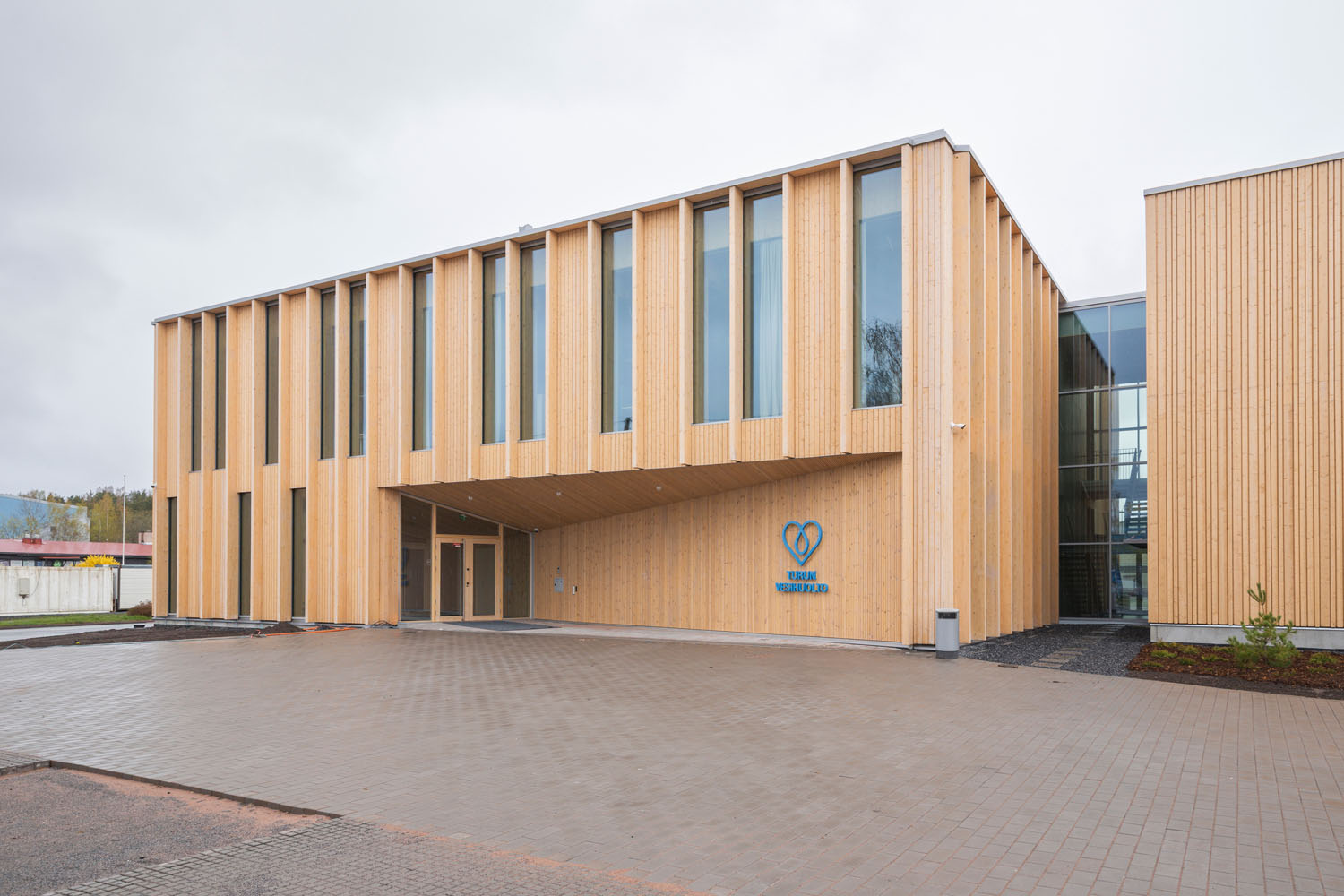
The AkvaCity property has been awarded the LEED Platinum environmental certificate. LEED is a respected international building certification system that indicates an excellent consideration of environmental issues in a building.
The certificate is based on an independent third-party assessment of the environmental characteristics of the building and its maintenance, and is internationally comparable.
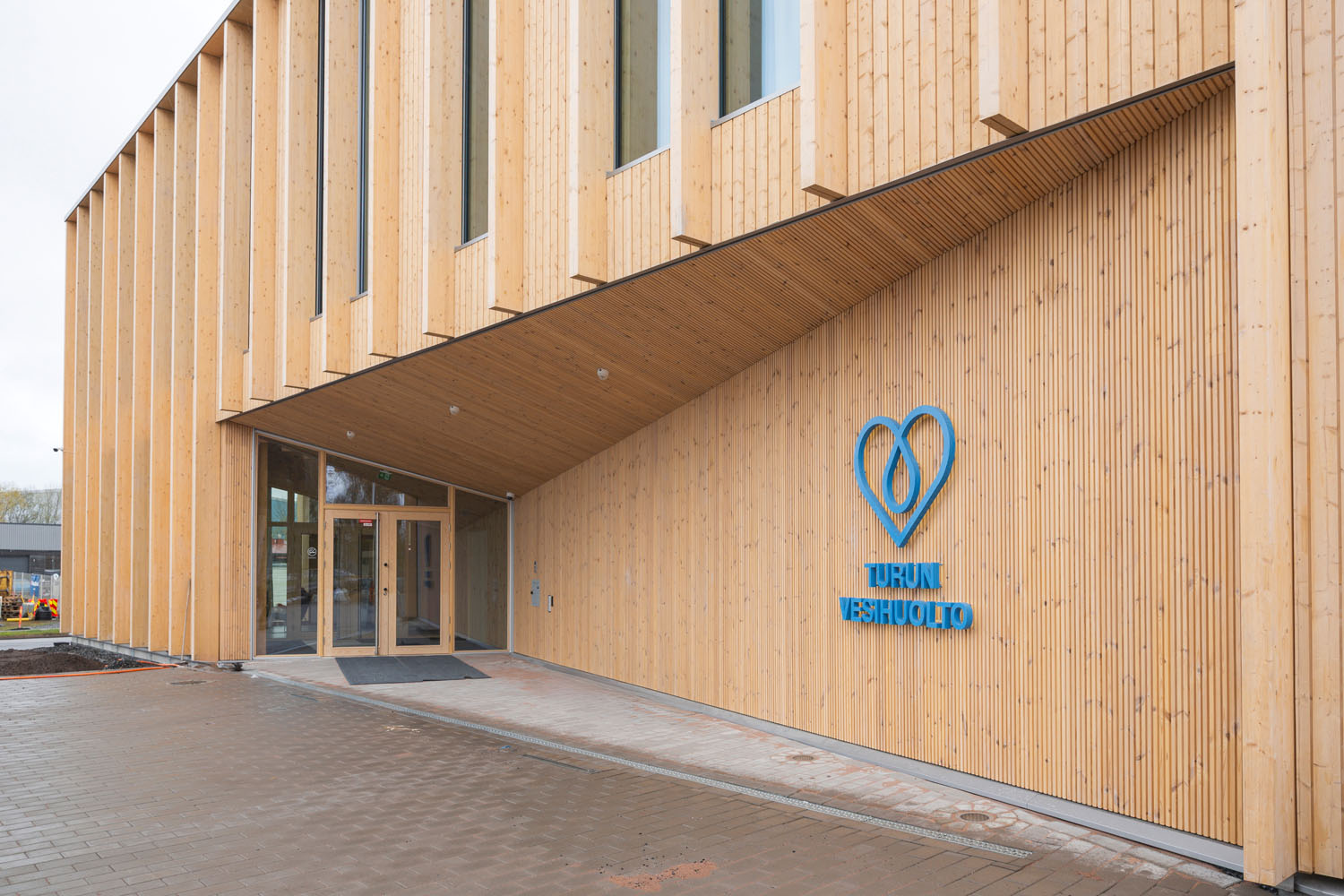
AkvaCity is the first office building built of wood for Teknologiakiinteistöt and in all of Turku, with the main building material being environmentally friendly CLT panels. AkvaCity was designed by Sarc + Sigge Arkkitehdit, and its lead designer is Jani Vahala. Jatke Länsi-Suomi was responsible for the construction of AkvaCity. Turun Vesihuolto Oy operates in the building.
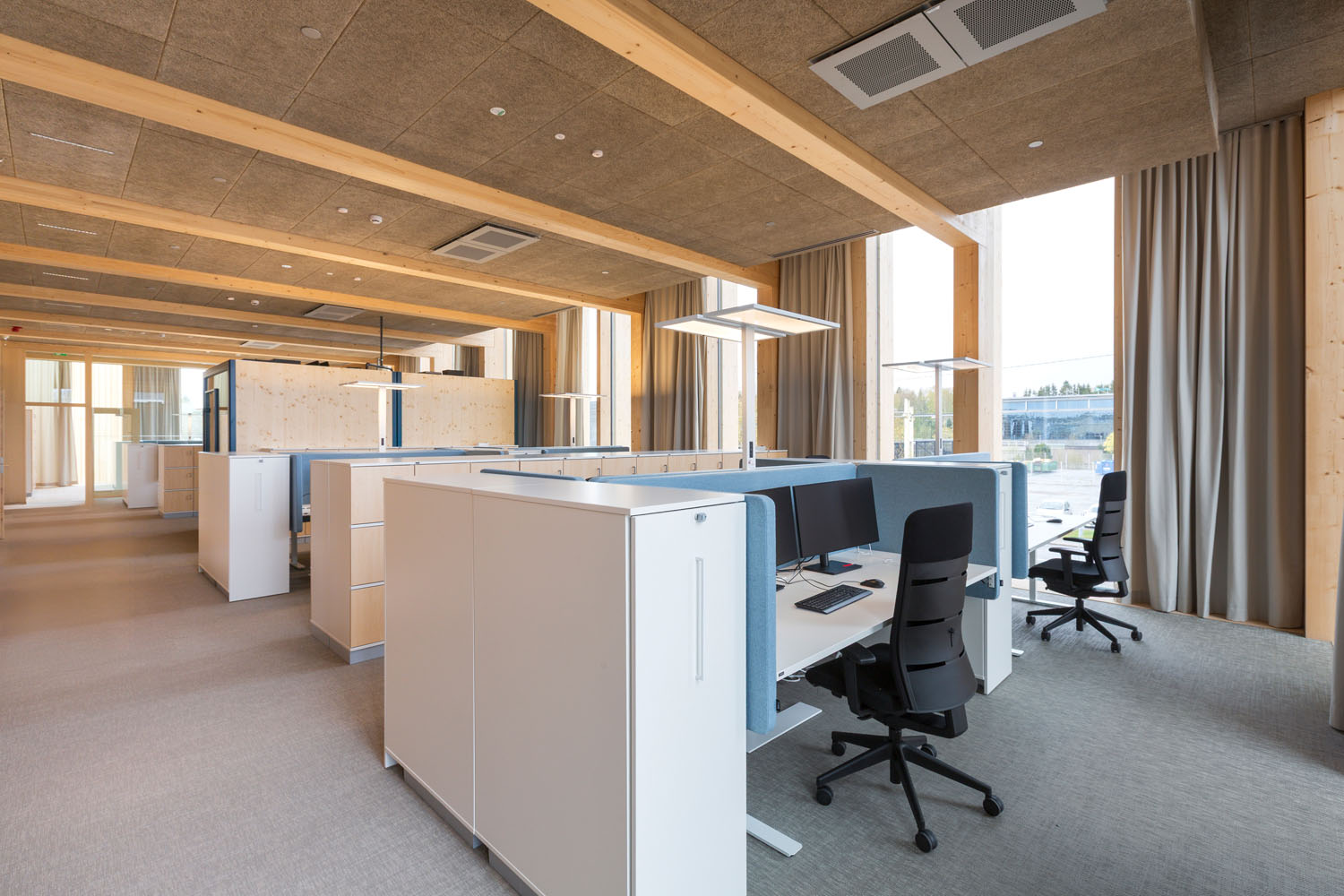
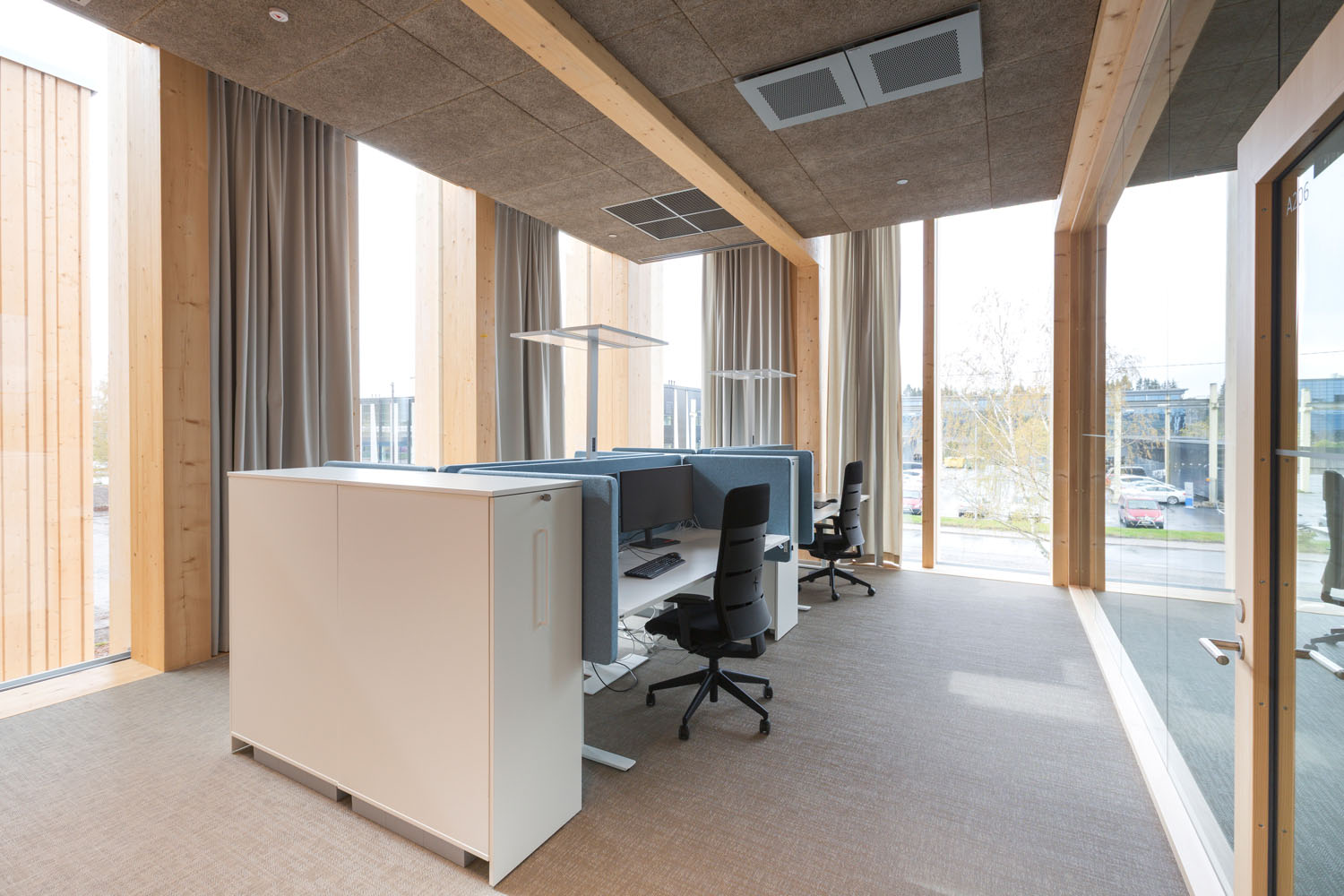
High goals were achieved through meticulous planning
The goal for AkvaCity was to achieve LEED Platinum, EU taxonomy compliance, energy class A, and the smallest possible carbon footprint. In all actions, it was ensured that AkvaCity's environmental impacts are minimized throughout the building's lifecycle.
AkvaCity achieved high scores for, among other things, energy-efficient building services engineering, a large solar power system, extensively implemented energy metering, and low-flow water fixtures. AkvaCity exceeded the LEED Platinum 80-point threshold by two points.
“High goals formed a strong foundation for guiding the project’s design solutions,” says Miika Tuominen, Construction Manager at Turun Teknologiakiinteistöt.
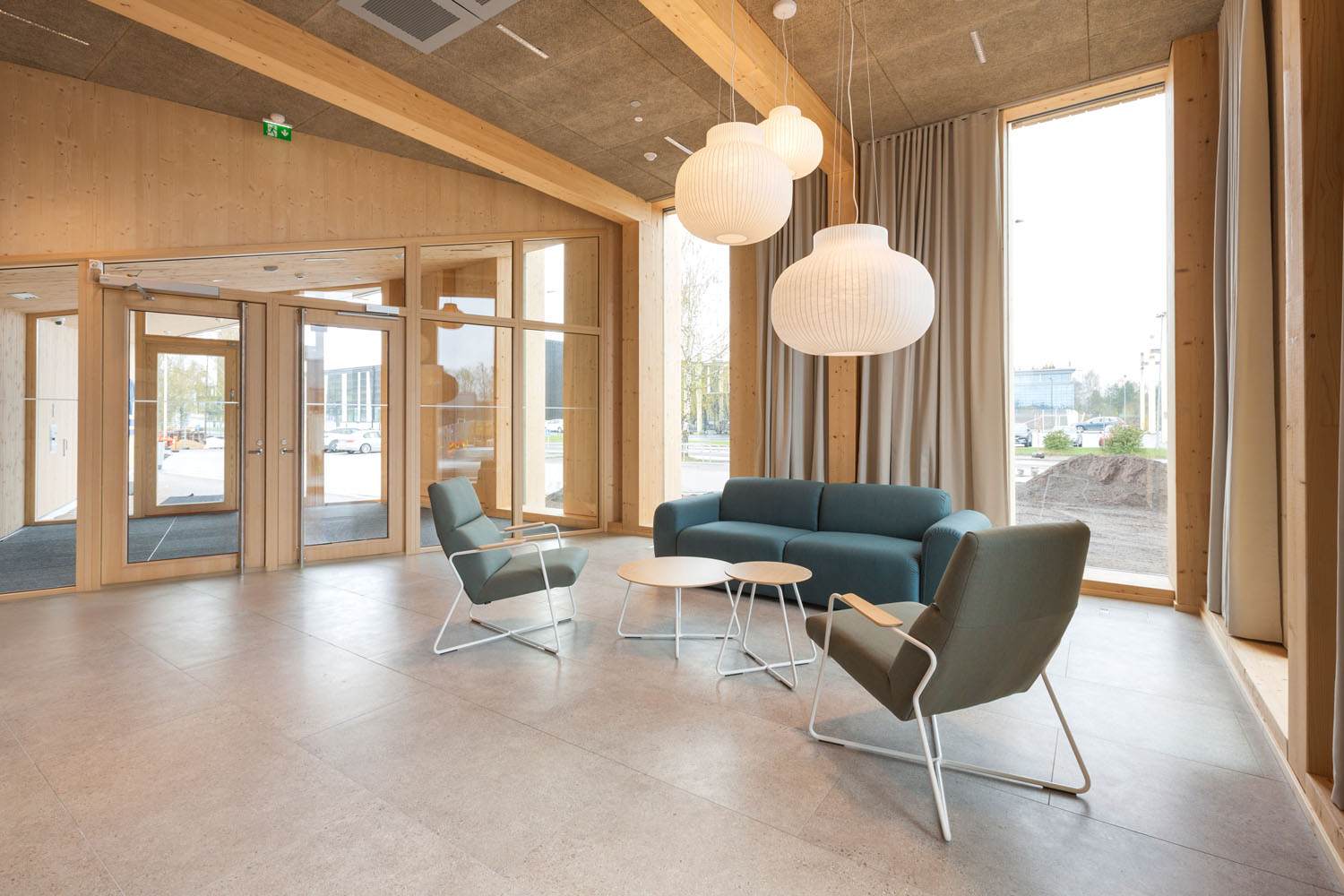
Points were also earned through low-VOC emission materials, comprehensive commissioning, office views, daylight availability, and high-quality lighting color rendering. Emission offsetting provided two additional points, but the Platinum threshold would have been exceeded even without it.
Energy class A AkvaCity
The goal for AkvaCity was energy class A, which was already achieved at the starting situation in the hall part of the property. The E-value of the office part was initially in class B at 89 kWh/m²a, after which the value was improved with changes to ventilation, more energy-efficient lighting, and solar power optimization.
The building's window surface area was reduced by 40 percent, as in the initial situation, almost the entire facade of the office section was glass. Thanks to this reduction, the E-value of the office section was brought to class A with a value of 69 kWh/m²a.
AkvaCity also achieved EU taxonomy compliance, which, along with LEED, guided waste recycling among other things.
From energy efficiency optimization to a small carbon footprint
The carbon footprint in AkvaCity's design was already good from the start due to the wood selected as the material: 18.6 kgCO2e/m²/a. It improved even further when the window surface area was reduced. Energy efficiency optimization reduced the carbon footprint further, and the final carbon footprint became 16.1 kgCO2e/m²/a.
“Design solutions were constantly compared and optimized, and this is the direction in which construction is heading,” Miika Tuominen continues.
Sustera Oy acted as the project consultant, guiding the property's LEED certification and measuring air quality. In addition, Sustera provided EU taxonomy and carbon footprint guidance as well as E-value optimization and energy certificates.